Come fare Shirshasana (Headstand): Steps, Precauzioni & Benefici.
Cosa e' Shirshasana?
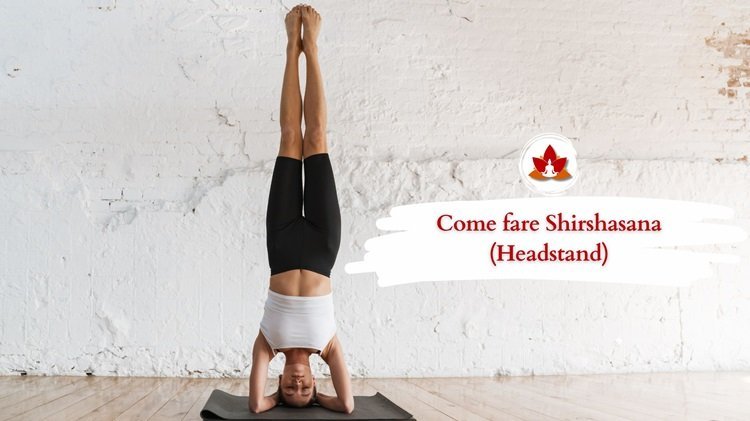
In modern yoga, Shirshasana is considered an exercise also known as inverted headstand. This pose is so admired and beneficial that it is often called the king of all yoga poses. In Hatha yoga, Shirshasana is treated as both a mudra and an asana. In this pose, the body is completely inverted with the weight supported on the head and arms. For stability, the intertwined forearms are used. The body is held upright with the strength of the arms and the head, which rests lightly on the ground.
Shirshasana, or headstand, offers a wide range of benefits worth exploring. This pose is renowned as the king of all asanas for several reasons. While it may seem accessible, it's always advisable to consult a doctor or expert before practicing this pose. Shirshasana is an inversion pose, derived from the Sanskrit word "Shirsha," meaning "Head." This pose benefits the entire body, without neglecting any part. It is therefore considered the king of all asanas.
What are the steps for Shirshasana?
Performing Shirshasana is very easy if you know how. You need to learn a few preparatory steps to achieve the full pose. The preparatory poses are tested below. The steps for performing Headstand Pose are as follows:
- Grab a yoga mat, start by closing your eyes and inhale some fresh air.
- First, we'll start with balasana, or child's pose . Then, grasp your elbows and create an equilateral triangle by interlacing your fingers.
- Now place your head on the ground. Your head should be touching the ground properly.
- Now very slowly and steadily, without any pressure, try to lift your legs.
- Here your legs will be in the sky, stable but free without any support.
- You can also perform the previous phase in 2 steps, the first is to lift the leg, then bend it and then raise it 90°.
- The next is to hold this pose and ideally there should be no difficulty in doing so.
- Now slowly relax into holding the pose steady.
- At this stage, you should continue to breathe very slowly and there should be absolutely no interruptions.
- Hold the position for about a minute. You can hold it for longer.
- From here, slowly descend and rest for a few seconds. Rest is truly important for the body and should not be neglected.
- Start the pose again by repeating the same steps described above
- These are the steps for performing Shirshasana. You must be somewhat careful while performing it; if you experience any discomfort while practicing Shirshasana, we recommend seeking medical advice or a qualified practitioner before continuing. Let's now look at the benefits of Shirshasana, or Headstand.
Read Also: - 200 Hours of Yoga TTC
What are the benefits of Shirshasana?
Shirshasana, or headstand, offers a wide range of benefits that engage every part of the body. This practice offers numerous advantages worth exploring. Practiced regularly and with dedication, Shirshasana can yield optimal results, offering a complete picture of the benefits this pose can bring.
- Physical and mental benefits: Shirshasana promotes both physical and mental well-being, helping treat constipation and related problems. It also improves memory and intellectual capacity, helping strengthen willpower, concentration, and attention.
- Balance and Harmony: This pose promotes balance between mental and physical health, reducing water retention and stimulating the endocrine glands, such as the thyroid, pituitary, and pineal glands. It also improves blood flow to the eyes and face, relieving stress and promoting a positive life.
- Physical benefits: Shirshasana develops the core muscles, strengthening the arms, shoulders, and neck. It slows the aging process, stimulates hair growth by increasing blood flow to the scalp and head, and regulates the elimination process. It also increases hemoglobin levels in the body, providing a beneficial massage to the internal organs.
In conclusion, Shirshasana is a pose rich in benefits, which contributes to the general well-being of body and mind through a comprehensive and conscious approach to yoga practice.
Precautions
- Don't let your hips go past your shoulder; this could cause imbalance.
- To be avoided during menstruation.
- Avoid if you have a shoulder, neck or hip injury.
- Do not perform this operation on a hard surface.
- Don't breathe too fast or too slow while doing this asana.
- Absolutely not for pregnant women.
- Not for children under 7 years old
- People suffering from glaucoma are advised not to perform this yoga pose because this pose can increase the pressure on the eyes.
- People who have acute migraines or sinus problems should avoid this yoga pose.
- People with severe heart problems or high blood pressure should avoid this pose.
Suggested Article: Yoga Retreats in Italy
Preparation and the following poses for the Headstand of Shirshasana
When practicing Shirshasana, it's advisable to do this pose early in the morning, during the optimal time for yoga practice. Before entering the handstand, it's helpful to warm up the body by performing Surya Namaskar, which helps prepare the body, making it warm and flexible. Other poses that can be performed before Shirshasana include Tadasana, Adho Mukha, Prasarita Padottanasana, Bharadvajasana, and Svanasana, which add additional benefits and prepare the body for the handstand.
After performing Shirshasana, it's important to indulge in a relaxation session to allow the body to integrate the benefits of the pose. A pose like Balasana can be particularly beneficial for completing the practice and achieving maximum results. Following the handstand with this relaxation pose can help stabilize and rebalance the body, preparing us for the rest of the day.
What's Your Reaction?